How to get an Alaska Motorcycle License
- Alaska Motorcycle License Guidelines
- How to Prepare for the Written Exam
- Required ID and Paperwork
Alaska DMV Motorcycle License Rules
Ready to take your motorcycle on the open road? We'll walk you through the steps to get your Alaska motorcycle license with an extra emphasis on safe driving.
You'll need to be familiar with the Alaska Driver's Manual. Think you know the material?
Take our Motorcycle License practice test now and test your knowledge here first!
First Time Motorcycle Riders
Under Alaska DMV guidelines, anyone who drives a motorcycle must have a Class M1 motorcycle license or a motorcycle instruction permit.
Applicants must be 16 years of age, and, if under the age of 18, must have held a learner's permit for at least 6 months. Applicants must pass the motorcycle knowledge test, a sign test and a vision screening. The final step is to pass the motorcycle skills test where you will demonstrate your competency in motorcycle operation.
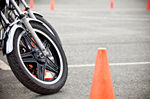
Like most states, Alaska will waive your skills test and issue you a license if you complete an approved basic motorcycle rider safety course. These courses last anywhere from two to six weeks and include classroom instruction as well as driver training in a controlled, off-street environment. When you successfully complete this course, you will be eligible for your motorcycle driver's license without having to take your Alaska road test.
Prepare for the Motorcycle License Written Test
The Alaska DMV requires that all applicants must pass a written exam on traffic signs, motor vehicle laws and safe driving techniques. If you fail the exam, some states require you to wait until at least the next day to take the test again and charge a re-examination fee. Test your driving knowledge and take our Alaska motorcycle practice test today!
Required Paperwork
Before you head to the Alaska DMV Office, make sure you have the required documents to get your motorcycle license. Examples include:
- An original or certified copy of a U.S. birth certificate
- Social Security Number, if issued,
- Parental Consent Form if under age 18
- Passport issued by the U.S. or from another country
- Military identification for active duty, retiree, or reservist
- Marriage license or certificate
- Photographic employee identification card
On the Road
Once your licensing requirements have been met, a Class M1 endorsement will be added to your driver's license. Remember... the safe operation of a motorcycle requires practiced skill, knowledge, and a respectful understanding of the limitations imposed by the operator, the machine, and the environment.